• Quartz vs Sintered Stone: Which Is Better for Your Kitchen Countertop?

    Quartz vs Sintered Stone: Which Is Better for Your Kitchen Countertop?

    Choosing the right countertop isn’t just about looks—it affects durability, maintenance, and long-term value.

    Two of the most popular options today are quartz and sintered stone. They may look similar at first glance, but they behave very differently in real use.

    This guide breaks it down so you can choose the right one for your home.


    🧱 1. What Is Quartz?

    https://images.openai.com/static-rsc-4/rGvfSOC1xCtNspTI6qaY5LQU6qZ34SKrBwTwAmPV-PLuAvvub4btVlVNmGngZVM5KCzIMmNepG_1JEdOCEYjX5m2x5XgQltWmXWhMGJPjZPdkWOY5Yur8edXD6pRVh16DMwyaZMyB2HWnnUi3MVt6BlXXooFCzEegGDIBSGZfQlJRNmx0Tf0DzYiq9TSge39?purpose=fullsize

    Quartz countertops are engineered surfaces made from:

    • Natural quartz particles
    • Resin binders
    • Pigments

    👉 This makes them:

    • Non-porous
    • Consistent in design
    • Widely available

    🔥 2. What Is Sintered Stone?

    https://images.openai.com/static-rsc-4/K0_mw6-JXEgjxb9OCEd-bXOPM8uL4NaLy1eCXw9lIc_e7IqE_EizczHLLxc9GvS93OQHJ51nE-bdmg281AMPhVX9SNtqpHhSVVTqGcGpOSxVQUg465IzO_c__jPTbGfxr5Q2FRU-Zc2L0d-WMyu2kk271YfsTIWr3HYSxehyUD9w66wF9JuXT5TNUzVYFOuu?purpose=fullsize

    Sintered stone is made using:

    • Natural minerals (like stone, clay, silica)
    • Compressed under extreme heat and pressure

    👉 The result:

    • Ultra-dense surface
    • No resin content
    • Highly resistant to heat and scratches

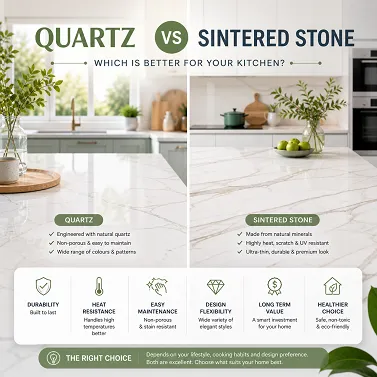
    ⚖️ 3. Key Differences at a Glance

    FeatureQuartzSintered Stone
    CompositionQuartz + resinNatural minerals (no resin)
    Heat resistanceModerateVery high
    Scratch resistanceGoodExcellent
    UV resistanceCan fadeUV-proof
    Thickness optionsStandardUltra-thin possible
    CostModerateHigher

    🔥 4. Heat Resistance (Major Difference)

    https://images.openai.com/static-rsc-4/_um6QDsIxCdCjOoDlpoZPSon40vfsu0ZRpTq-m1Ob38V2Oj9OukDz3oKdzeWKYvoYydCfrs2a0bCboPMo70vovFHoljp3Ruv5uCycZgogi_x3GCBEM825nTp6FtNHCrV-gf3Lke_Ta9SWeYJEbFJE20NHXPAceem2QvMbqhYAbQt4Wfa7iIULXtFX3-WOQxB?purpose=fullsize

    This is where sintered stone clearly wins.

    Quartz:

    • Contains resin
    • Can be damaged by high heat
    • Hot pots may cause discoloration

    Sintered Stone:

    • No resin
    • Can withstand very high temperatures
    • Safe for hot cookware

    👉 If you cook often, this matters.


    🧼 5. Maintenance & Cleaning

    https://images.openai.com/static-rsc-4/IL4pa7mu4XxWLvgRkvkU8YKYeMjJXvxUznRjkPcs8uWo6EK_cx6Zax7LQh0iLws10SvKQcyWLXP40Zw3w2lyBHibAu-NoLYTMgUhNilpJIgI_H2zwA37GHpd_k0EqTWdl9k-weVIJtdB2COppRMr9m-W3BhbL0VGKpGtKGsP36j5JoIQvL7wBDlIXHRpRU5m?purpose=fullsize

    Both materials are relatively easy to maintain.

    Quartz:

    • Non-porous
    • Easy to clean
    • Avoid harsh chemicals

    Sintered Stone:

    • Also non-porous
    • More resistant to stains and chemicals

    👉 Both are low-maintenance, but sintered stone is more robust.


    💎 6. Design & Aesthetic

    https://images.openai.com/static-rsc-4/Y65QcaTRNJ4QB61DyxUjkgGsSgj1KJ2rm3l4dPwY5314KDSZYkEUwkNkfR2tTVLL4ftd6vc1j4OvzM6Q8gqrYXWYghRB35CBHscLZ5YUN7R01KdiELCbW6o4hSvVL6Zq9PaJ84UfIfGx0R8UmFLWiTI07Y6KzSd8MEpXeeB8g_nPS0k0U2s_K6amvk_HYO0d?purpose=fullsize

    Quartz:

    • Consistent patterns
    • Wide range of colours
    • More uniform look

    Sintered Stone:

    • More natural stone-like patterns
    • Large slab designs (fewer joints)
    • More premium visual depth

    👉 Sintered stone often looks more “luxury”


    💰 7. Cost Comparison

    • Quartz → More affordable
    • Sintered stone → Premium pricing

    👉 Cost depends on:

    • Brand
    • Thickness
    • Installation complexity

    🏠 8. Which Should You Choose?

    Choose Quartz if you:

    • Want a more affordable option
    • Prefer consistent design
    • Don’t place hot items directly

    Choose Sintered Stone if you:

    • Want maximum durability
    • Cook frequently
    • Prefer a premium, natural look

    ⚠️ 9. Common Mistakes to Avoid

    • Choosing based on looks only
    • Ignoring heat resistance
    • Not asking about thickness and installation
    • Assuming all “stone” surfaces are the same

    🧠 10. How This Affects Your Carpentry

    Your countertop choice impacts:

    • Cabinet support structure
    • Installation method
    • Long-term durability

    🏁 Final Thoughts

    Both quartz and sintered stone are excellent materials—but they serve different needs.

    👉 The right choice depends on:

    • How you use your kitchen
    • Your budget
    • Your expectations for durability

    🔗 Related Articles

  • How to Check HDB Defects & Report Them (Singapore Guide)

    How to Check HDB Defects & Report Them (Singapore Guide)

    When you collect the keys to your new HDB flat, everything may look perfect at first glance.

    But the reality is:
    👉 Most new flats have defects — and it’s your responsibility to spot and report them early.

    This guide walks you through:

    • What to check
    • How to inspect properly
    • How to report defects to HDB

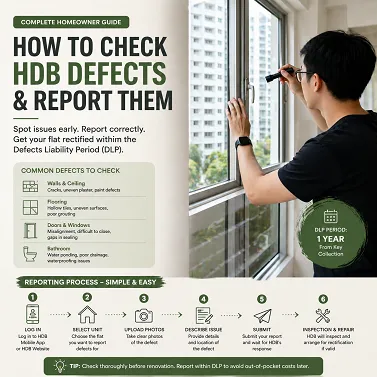
    🏢 1. What Is the HDB Defects Liability Period (DLP)?

    https://images.openai.com/static-rsc-4/ZY9SSIclPzk3hjEFSuoW123Gsl7vxfDoxiEInMQRnEIQUlJU942fytSS5ePPDfjekdEW3-AAlQvfV5pqhwxXcFWKb8fYTc7ub5FqnCaY7kx1CkoIAv1Wzjq4JMJpHmQ3UP1TVrS6xQWdITsw_GT5tkN-hUPKiwSq_DaIDXmglPSzj-hdejfph5YQxgn8zSZL?purpose=fullsize

    After key collection, you’ll have a Defects Liability Period (DLP):

    ⏱️ Typically:

    • 1 year from key collection

    During this period:
    👉 HDB will fix defects free of charge


    🔍 2. When Should You Check for Defects?

    Best time:

    • Immediately after key collection
    • Before starting renovation

    👉 Once renovation starts, it becomes harder to:

    • Identify original defects
    • Claim from HDB

    🧱 3. What Defects Should You Look For?

    https://images.openai.com/static-rsc-4/dBJ4pYPtQsAWsmYT_5cCAlrbuwWLMXE_jfBR0X-gAkZGKzbus5uK9eNzgT5FNfidABqY-zvgqlbonL2iZKEYAuvlyQ8QL0c29e955BcVg-3RDEh89vezKTjuUT9llnd8Vpnf-ciyxLb2XPJ-Azfs0S2sP_M8fFtAqcc0dR0Egx7rR2NQbejqNWdAaxkNgMI1?purpose=fullsize

    Common defects include:

    Walls & Ceiling

    • Cracks
    • Uneven plaster
    • Paint defects

    Flooring

    • Hollow tiles (tap test)
    • Uneven surfaces

    Doors & Windows

    • Misalignment
    • Difficulty closing
    • Gaps in sealing

    Bathroom

    • Water ponding
    • Poor drainage
    • Waterproofing issues

    🔨 4. How to Properly Inspect Your Flat

    https://images.openai.com/static-rsc-4/lgHjHMJ32Aap2C883aZ8AfE--1yPalV_pO7-qEl6RaMPTu7Omaix1S0UAHtkup8cBhIktcw5ugwy-6JNuUOOZ-wODWVSzEeIMApy2k-nDBD0D_CjTPFJPSTEkNgjdYT-v6X0RbIA-gZNqvkHUR5SUjozntUL5hvffekvzTpQRWaG74ZVH5vep34nU2LyVdR2?purpose=fullsize

    Tools you can use:

    • Coin (tap tiles for hollow sound)
    • Spirit level (check alignment)
    • Torchlight (spot imperfections)

    👉 Go slowly — don’t rush the inspection.


    📱 5. How to Report Defects to HDB

    https://images.openai.com/static-rsc-4/WoOr60-b1Iu2RiQ6A5iIG2YB_PZZ3MREOTCoQOTDqx8Ut0hiZgNEbEr6CJm05u9pNqXCdweuxzTLd6qlFBi1afbk2ajf6XTzKZfYedcWF7tj0hvzUNnw-9wqLIQoAao1CWKYVRawav5AzsP-U9mDUkges3dDg4ab2gbhLgxnZoznuDesz_m2FBtuQXYRPNUh?purpose=fullsize

    HDB makes reporting quite straightforward.

    You can report via:

    • HDB Mobile App
    • HDB website

    Steps:

    1. Log in
    2. Select your unit
    3. Upload photos
    4. Describe the issue
    5. Submit

    👉 Be clear and detailed — it speeds up resolution.


    ⏱️ 6. What Happens After You Report?

    • HDB schedules inspection
    • Contractors are assigned
    • Repairs are carried out

    👉 You may need to:

    • Be present for access
    • Verify repairs are completed properly

    ⚠️ 7. Common Mistakes Homeowners Make

    • Delaying defect checks
    • Missing small issues
    • Starting renovation too early
    • Not documenting properly

    👉 These can result in:

    • Losing your right to claim
    • Paying out of pocket later

    🧠 8. Should You Hire a Professional Defect Inspector?

    https://images.openai.com/static-rsc-4/qVswWuVa-hsx6ST5LVufJuZHVHlQfNpFfxQc6mSETvBe6iY8F38oRKQk6UJMiFlaahkMR3DQW60-JcXM-owXzLJyNA-dqA-jXwowrZyK-x3rHzThiGSaviNhGJhW6hGnnCCWl0xmEJ6tzsurvvR7xFXNz3A-thS2edOO_zEKjxhdlZsXvHRyOrcsjHP1JzSH?purpose=fullsize

    Some homeowners choose to engage professionals.

    Pros:

    • More thorough inspection
    • Experienced eye
    • Better documentation

    Cons:

    • Additional cost

    👉 Worth considering if you want peace of mind.


    🔗 9. Before Renovation Starts

    Once defects are resolved:

    👉 Then proceed with renovation planning

    You may also want to read:


    🏁 Final Thoughts

    Checking for defects isn’t just a formality—

    👉 It’s your chance to ensure your home is properly handed over.

    The key is simple:
    Inspect early, report clearly, and follow up properly

  • How to Compare Renovation Quotes (Singapore Guide)

    How to Compare Renovation Quotes (Singapore Guide)

    Getting multiple renovation quotes is smart. Choosing the right one is where most homeowners get it wrong.

    👉 Quotes can look similar on the surface—but differ hugely in materials, workmanship, and hidden costs.

    This guide shows you how to compare quotes properly so you’re choosing value, not just the lowest price.


    📄 1. Don’t Compare Based on Total Price Alone

    https://images.openai.com/static-rsc-4/QAskm_5CG_MA6qJNosCLHo7ZWaWjnB39Re8sp7TQBzbaw8zxJgQQlEbis68zFCI8qZwrhwVXiHTj1X4-J7aIm3QE2BGJcplbN3CM7maUe4svyk8tPHfLUi-71NtBv_PSjNjWEsffnAYoGSxZD0sXoWrIVH9T-h6_jn0OYjJDabcYln8Axq7dWkZrase7j3gO?purpose=fullsize

    The biggest mistake:

    ❌ “This one is cheaper, so I’ll take it.”

    Two quotes can differ because of:

    • Material quality
    • Scope of work
    • Workmanship standard
    • Missing items

    👉 Always compare what’s included, not just the total.


    📋 2. Check the Scope of Work (Line by Line)

    https://images.openai.com/static-rsc-4/bdVt5HGQH26qWnCK_YhrqaUXJmtlEn02xjePROL0C28vnksbtN40bleBOmx9DisfouNOk3ZHNU-2l4waYUirBlu_4dIyFQRkYoHfc8VJBbdLyns1Nx1hj-7YOruOdL1qJeEi9TjXexVOR2JhFBobA7Ed7eSZDj4h2cGKcSwvL7_cfG4hm_FSDTLUL24s-xjO?purpose=fullsize

    A proper quote should clearly list:

    • Carpentry details (dimensions, finishes)
    • Electrical points
    • Plumbing works
    • Materials used

    👉 If it’s vague, that’s a red flag.


    🧪 3. Compare Materials — This Changes Everything

    https://images.openai.com/static-rsc-4/OqZrCyzAFMgVuA8KU4gHIZkRs0xdh1Ovo9rC8vZWeeo5OU4q-hnVKZOQE2H3km0QjwK5kiYaNEXKIQy5aJHHvkXqmf2aVbxQ3pZ_hgf_DKPCEEhYd1tlGHr3hpnR1sPoFIsNmQJ5pJJqN2JQ5Gh0K4Myr4jBQ3xQU41XWQsVhahkeO2jZ3Y01zhcZwqAaaZi?purpose=fullsize

    One quote may use:

    • Higher-grade boards
    • Better laminate
    • Superior edge banding

    Another may not specify anything.

    👉 Learn more:

    👉 This is one of the biggest reasons prices differ.


    🛠️ 4. Look at Workmanship Standards

    https://images.openai.com/static-rsc-4/mYBbjtMm_a48OjDEAeBuieloHWpxdmZUNqqoGxaRvCVgwsuNiMjRV2FeNAzDzHgeDeWniUnp6Zp1GJbSYoa6sPavF_ZN-vGEnRt1IBadtqRPBFXQFafoiKKtvQkIEon1vvKTlO-bFCoPt-qDfjAcYOeRc3w3fJK4gBCLELPi_cpCFnxKrYeyRSFMUrncEjz0?purpose=fullsize

    Most quotes don’t explicitly state workmanship quality.

    But it shows in:

    • Hardware brands
    • Installation method
    • Finishing details

    👉 Cheaper quotes often cut corners here.


    💰 5. Identify What’s Missing (Hidden Costs)

    https://images.openai.com/static-rsc-4/8PIE6jPOae6jS8hYmd3Y6LWdg_sl0c60E0134AYpxfs8rG1ml4WWXXVgLuz09RtkBkb8hAKbQDx08-WTlDKM4knixl0qMuTzicSJy-IeEVdPVJ391Fz7saAEl2K0nN6ayX6D1GGD8A9_LiAKfDhW-JEOmYp_KJPS2YeBG3ccPD3hagmfeAjFDMh4kZtaZWD_?purpose=fullsize

    Some quotes look cheaper because they exclude items.

    Common omissions:

    • Electrical additions
    • Site protection
    • Haulage / disposal
    • Touch-ups

    👉 These will come back later as extra charges


    📊 6. Compare Payment Structure

    https://images.openai.com/static-rsc-4/6OT7JeaSs0mjU3mbiuLIi5EWo93DA3BsEsXOQZjDGi8ycaD302N8jbclf5yov6MZMJoriCnDEVTkTmEjQGwxNAvZmA-HJUq4MBBCHE9ZUbBKBiz9u8_uj7O27r8WBIVgHLu7TALhf_4JC8mFYDGNwgSGnQpVfnchpvdlhUSjF5prOOY0ZIWdD8eC7yRSzKWo?purpose=fullsize

    Look beyond the total cost.

    Compare:

    • Deposit amount
    • Payment stages
    • Final payment percentage

    🧠 7. Evaluate the Contractor, Not Just the Quote

    https://images.openai.com/static-rsc-4/rX28vmPD6zeFra9lEjBmlxSCwVfe5X6Z7TKf-e7Kqit4PU5PARrTz7IW0JK92f0ZJPj5bFa-MRO7yTBZTr8J5xV9-RnCwS4BON8mkmvkaoaUKfIyVm1xeACt8JG1j2vvgov_5NzyZoz3AaWkWAlMNJrdL63vJbT0SfoqSKaa1LjmwCjrCNh9LM8t6ZZ5ta6F?purpose=fullsize

    The quote is just one part.

    Also consider:

    • Communication clarity
    • Responsiveness
    • Professionalism
    • Experience

    📸 8. Ask for Real Project References

    https://images.openai.com/static-rsc-4/A8KXQw39qq7CLZVJ8NhNtDxZAJWBmfzM7Dyo-tbecjF_bvajNbGpbZqPCt5pLnC3nclIezCcpuzLk678uB1QBj-jU9mCuALTj5NKASkHPHvlisBlLWXJWEquLQzm4KBRFC4WtT-ihJMwJAdRoEukGdvnWIRYNEjQSN3mjqEpswmMIklb-lkeNsMNecaDrIgz?purpose=fullsize

    Don’t rely on:
    ❌ 3D renders
    ❌ Marketing photos

    👉 Ask for:

    • Actual completed homes
    • Close-up workmanship

    ⚠️ 9. Red Flags in Renovation Quotes

    • Extremely low pricing
    • Vague descriptions
    • No material specifications
    • No clear payment terms
    • No warranty mentioned

    👉 These often lead to:

    • Cost overruns
    • Poor workmanship
    • Disputes

    🏁 Final Thoughts

    Comparing renovation quotes isn’t about finding the cheapest option—

    👉 It’s about understanding what you’re actually getting

    A slightly higher quote may:

    • Use better materials
    • Deliver better workmanship
    • Avoid hidden costs

    👉 In the long run, that’s what saves you money.


    🔗 Related Articles

  • How to Choose a Good Carpentry Contractor in Singapore

    How to Choose a Good Carpentry Contractor in Singapore

    Choosing a carpentry contractor isn’t just about design or price — it directly affects the quality, durability, and overall experience of your renovation.

    👉 Two contractors can offer similar designs… but deliver completely different results.

    This guide shows you how to choose the right one — and avoid costly mistakes.


    🧠 1. Understand What You Actually Need

    Before comparing contractors, get clear on your scope:

    • Full renovation vs carpentry only
    • Kitchen cabinets, wardrobes, or full built-ins
    • Custom vs modular solutions

    👉 This prevents mismatched expectations later.


    💰 2. Don’t Compare Based on Price Alone

    https://images.openai.com/static-rsc-4/QAskm_5CG_MA6qJNosCLHo7ZWaWjnB39Re8sp7TQBzbaw8zxJgQQlEbis68zFCI8qZwrhwVXiHTj1X4-J7aIm3QE2BGJcplbN3CM7maUe4svyk8tPHfLUi-71NtBv_PSjNjWEsffnAYoGSxZD0sXoWrIVH9T-h6_jn0OYjJDabcYln8Axq7dWkZrase7j3gO?purpose=fullsize

    A lower quote doesn’t always mean better value.

    Cheap quotes often cut corners on:

    • Materials
    • Edge banding quality
    • Hardware (hinges, tracks)

    👉 For a deeper breakdown, see
    Kitchen Cabinet Cost Guide in Singapore


    🧪 3. Ask About Materials & Construction

    https://images.openai.com/static-rsc-4/GFW_RHG4xgPH8JN5ttocplsi5Iouf5oGmfW2Pqwe5ekX6A7dOevm7lW4HYEnVZLBjIJjYlXTDp9q2sQxgolBU4Z1BQIspB_vxrmEN-mocXyuZM92JaVA_XBEIRA09P1Y6GP9gsvqFHdpLUyewzQN8m4YsF-Sww1BcjasCQAS3GEeiA0WRujxqqBBPcP21mib?purpose=fullsize

    Not all cabinets are built the same.

    Ask:

    • What board material is used?
    • What type of edge banding?
    • What laminate finish?

    👉 Read:


    📐 4. Evaluate Design Capability

    https://images.openai.com/static-rsc-4/j-7OJl7mHh5Gze9v2NBzD9kMMXMY7kaQHzJ79JMx_U3soAW-Z9zsmD8bt2PVsHu4HxyeoEiiMDB9RXObjZDOSH7TtSb0-6AZ4cbxuErrPB5r9h6EMCvsTY8oiABbFt6TJzclKbS2r4LbBZPPavrL0_umo4RDbgkuJrF-zlUtmiKBobr7N-H_hBrJ3vgyzZ2c?purpose=fullsize

    Good carpentry is not just about building — it’s about planning.

    Look for:

    • Smart storage solutions
    • Space optimisation
    • Practical layout

    👉 See:

    • Walk-In Wardrobe Design Guide
    • Wardrobe Interior Storage Ideas

    🛠️ 5. Check Workmanship Quality

    https://images.openai.com/static-rsc-4/cy8rg2X54QvNVS20UZo9eL2beYGpQlJ6W7dKxqLvZuhUd4GZqwnxGE6s4T9G_sXp8npkWBHeWlCmuK8Ir0Mwv3h9ERUHkJvFfcrvArfXxxoJFd63Y8GtWnAJRetide4bqMeup5B3_e_ykI8W2mcX3ff4ji4S7s1ZqXxK8XhRfC7qYJyz13cZrS0j_bPZBdqV?purpose=fullsize

    This is where good contractors stand out.

    Look closely at:

    • Alignment of doors and panels
    • Consistency of gaps
    • Edge finishing
    • Smoothness of drawers

    👉 Small details = big difference over time


    ⏱️ 6. Transparency in Timeline

    Be wary of contractors who promise:

    ❌ “Very fast completion”
    ❌ “No delays at all”

    👉 A good contractor will:

    • Explain realistic timelines
    • Set proper expectations

    📸 7. Portfolio vs Real Work

    https://images.openai.com/static-rsc-4/y1rLw0aaxCBVHeA6ui2_vASsQrwza_VygQm6FTKGxiqrWCyMo1Qktk9KPrUaiRItQR1KI-UGRjzt-ugZonHRjXi2L5NDDeWj0i1zY7WUI5undVmDNvZ_3O3v2_51jWLMswdVc2r4Tf8uiSR3VzjMYwiwXqVWbF6rlHyJVsb5yr-3DVCGT-bJqJcTsm1VNHqR?purpose=fullsize

    Many portfolios look impressive — but always verify:

    Ask for:

    • Real project photos
    • Close-up workmanship shots
    • Actual completed homes

    👉 Not just 3D renders


    🧠 8. Warranty & After-Sales Support

    https://images.openai.com/static-rsc-4/OiuK5HTVbEMgFpf-UY9fj6cPMOJluTxH2HuJXfUayZ1PYmnXiDCBiV4zB0io7MTpzCo6V57hvUCHfBEG-UDoE8Kkryu7pzJ-hBlcv36wTCL9RDs1NqlTQTcwwp6qUJy1T0fqXFb-0JJtpQ98wB3-DNG93p15L8TXONWfNUCBO31HFPkTSZ9UTMJsFcE9hZSX?purpose=fullsize

    This is often overlooked — but very important.

    A good contractor should:

    • Offer clear warranty terms
    • Provide responsive after-sales support

    ⚠️ 9. Red Flags to Watch Out For

    • Vague answers about materials
    • No written quotation breakdown
    • Unrealistically low prices
    • Poor communication
    • No clear warranty

    👉 These usually lead to problems later


    🏁 Final Thoughts

    Choosing the right carpentry contractor isn’t about finding the cheapest option—

    👉 It’s about finding the one who delivers:

    • Quality
    • Transparency
    • Reliability

    Because at the end of the day:

    You’re not just paying for cabinets—you’re paying for peace of mind.


    🔗 Related Articles

  • Carpentry Warranty & After-Sales: What Homeowners Should Expect

    Carpentry Warranty & After-Sales: What Homeowners Should Expect

    When choosing a carpentry contractor, most homeowners focus on design and price. But there’s something just as important that often gets overlooked:

    👉 Warranty and after-sales service

    Because the reality is simple:
    Problems don’t always show up immediately.

    This guide explains what a carpentry warranty really covers, what it doesn’t, and how to protect yourself after installation.


    🛠️ 1. What Is a Carpentry Warranty?

    https://images.openai.com/static-rsc-4/4f9nRXY8UqTYRMqAOPhEguJ0ab9JezrmdUsHaxrvJbWl2RxHZ4NqcsYN6-PqvLsI0-B8zwZjj4MKoh5nqyZpjXZ56FXCXTO323o05hC_KK1IMP8YPTXE83EujTeNjZdIdoWVW2pdGEQR9ztKn9t8n2ET-yA8Uoas4WovJf3FsHAgjEPnWHavUN3gRaNl-YDh?purpose=fullsize

    A carpentry warranty typically covers defects in workmanship and installation.

    ✅ Usually covered:

    • Misaligned cabinet doors
    • Loose hinges or fittings
    • Drawer track issues
    • Minor installation defects

    👉 These issues often appear after a few weeks of usage.


    ⏱️ 2. Typical Warranty Period in Singapore

    https://images.openai.com/static-rsc-4/yKok4vVituklcjJSLt8DGNZNGTpP8xpUhFLDAHW-rVfYvvoMMIZmByhS0C0KtdmOCWU6jubxdk5BkKcb3hUPJXQAHKc_Xt3uEcoZz2scu7BD5kNQDn5DjghYs4_N9CNOpzAYq4Rk8ix_2Tq5aBoFR4uUoKbWrCaRBAHppJYTzRkLD2IMPz3bUxS1D_1CXCE6?purpose=fullsize

    Most carpentry warranties in Singapore range from:

    • 6 to 12 months (standard)
    • Some offer longer (but with conditions)

    👉 Always check:

    • What’s included
    • Response time
    • Claim process

    ⚠️ 3. What Is NOT Covered

    https://images.openai.com/static-rsc-4/xr4GkAb0C1QNvFHdkpt2mt4hV5643s2hgT1L_aZqOl2BPpLl_yW05F7xXKnH36g46ovJaGiN58hmqZF7RD7hf9nxViQAa9P4Jnjvm06_CjAXIeSzYhFduiDora3vN90ljh2YfgXOHO7C3VZtuAsmxZBK1YS3oGNmhga03slyxhvlxwfZBo4zet8MkWpO4xci?purpose=fullsize

    This is where many homeowners misunderstand warranty coverage.

    ❌ Typically NOT covered:

    • Wear and tear
    • Water damage (e.g. leaks under sink)
    • Misuse or overloading
    • External factors

    👉 Even the best carpentry can’t prevent damage from improper use.


    🔍 4. Why Warranty Matters More Than You Think

    https://images.openai.com/static-rsc-4/bzYi8HysLeoR2hWc6IMMI9u8p1g3t0wDUByY6il5WJdrZlkJa4704xj4qa_GJTK-CHHXaXem8LZMv5obAhRB8trvNJG9AoJAcRCm6ifxGCdNgIr5PGhJYAHhZLJ__jRMarbF5MWKZDP2JkJBbQDAU7_wb-aOZXuueIms5PccHj04m3Hfe1S9NDgJfu3dpnnM?purpose=fullsize

    Not all issues appear immediately after installation.

    Common delayed problems:

    • Door alignment shifting
    • Hinges loosening
    • Drawer tracks needing adjustment

    👉 This is why warranty isn’t just a “bonus”—it’s essential.


    5. After-Sales Support (The Real Differentiator)

    https://images.openai.com/static-rsc-4/ysQ3N8h5uV3N9SycXhY91hGR_FSoGhBn5ENkUZ7F9vwT3r4ug2Grm9YCY7PVA7XClB9TrmUoVusY-WVx-jjju-0n2_exzFBsfXzrOcS05jSEoWyP5rkQz5sX_0NmzJdaImHfLtuF3Ez1HaBsQRRnNHU-1CJPlGgyaHeE9HhKYfNBUt4qyvrg8BPjDcm9IZoz?purpose=fullsize

    Warranty is one thing—but after-sales service is what really matters.

    A good contractor will:

    • Respond promptly
    • Arrange follow-up visits
    • Fix issues without hassle

    👉 Many contractors disappear after handover—this is where problems start.


    🧪 6. What to Check Before You Confirm a Contractor

    https://images.openai.com/static-rsc-4/QSX5R6TTwXeqh__umF4T_GY_G5CpDGBC25WUbwJEJgiYhh26jEnahOH_zMEETbdG-3TL-iOgLqzngJZY1g2kFKDN5PWtQq4dJ05uhYsGOjBpk_DCyJ607JWfKvVFqT8-W1qsSJ9KyLIgaR6Yiq9qSDtCZYNUVepBZck9HaE6WviHUPkd3tFRVMp4kBp7D8CU?purpose=fullsize

    Before committing:

    ✅ Ask:

    • Is the warranty written clearly?
    • What exactly is covered?
    • How fast is the response time?

    👉 For more guidance, read:
    How to Choose a Good Carpentry Contractor in Singapore


    🧠 7. Signs of a Reliable Contractor

    https://images.openai.com/static-rsc-4/Hr9eXBPJMvbYxMmkMVTY47n743k3c6_Y7hEWS33bJ_VbnOiERuc5b2kePzpYYF3b5MbQ-uaD3z4hhmiMk0pP2KsI_Ot7qnQ-wTu_glYM4XVi-RnOomVoMAfubcZiy8Y6298fWx8EYHjWS72-vp_S2slnszqruWJzOpVVF8OXupPQc-Zjv8_s6oe44B3ePtSx?purpose=fullsize

    You can often tell from the way they handle warranty:

    • Clear documentation
    • Transparent explanation
    • No hesitation answering questions

    👉 Good workmanship and good after-sales usually go together.


    🚫 8. Common Warranty Traps

    https://images.openai.com/static-rsc-4/QnbgOJ8YCLu8lJ0aT7xWQx7MPmmjdk_wOLeSLRP7cBfpRfIGEIyGkuIjJMOJF5NsB2PLkhIG8kiLJkZ3hGQ5J5icb2juTGVWzE8d71j7Mt7gTKj23Ndt8Zmq2_8IwfazullLAbevWuGOxlFboHGGvKSg2LR95t2u8Sl-XmoLxmtyqrmYwxLhrKyHIqBVlTBI?purpose=fullsize

    Be careful of:

    • Verbal promises (not written)
    • Vague warranty terms
    • Difficult claim process
    • Delayed responses

    👉 If it’s not written clearly, it doesn’t exist.


    🏁 Final Thoughts

    Carpentry warranty isn’t just about fixing problems—

    👉 It reflects the contractor’s confidence in their work

    The best contractors:

    • Deliver quality
    • Stand behind their work
    • Provide reliable after-sales support

    🔗 Related Articles

  • HDB Renovation Rules Homeowners Must Know (Singapore Guide)

    HDB Renovation Rules Homeowners Must Know (Singapore Guide)

    Planning to renovate your HDB flat? Before you start hacking walls or installing cabinets, there’s one thing you must understand:

    👉 HDB has strict renovation rules—and violating them can lead to fines, delays, or forced reinstatement.

    This guide breaks down the key regulations every homeowner should know before starting renovation.


    🏢 1. Why HDB Renovation Rules Exist

    https://images.openai.com/static-rsc-4/ckn73uY60k5wyl28zIg4RcMNmj2HdErfyhDhp0Pl04D9EhdDMtVMgOeNnnt2UlB6n2L2Q28ICXXSmWe7ut3NDCDydI1mW30nL45TlQlAt44kedMZlHobf3_BZQ6YFAfXx_htD-2alIJ5znXEil5IVj9ZfyduvT3W0j00Yi60k75ayDDN2x0UjC62J_IZ5JD8?purpose=fullsize

    HDB regulations are in place to:

    • Ensure structural safety
    • Minimise disturbance to neighbours
    • Maintain building integrity
    • Prevent unsafe modifications

    👉 These rules apply to all HDB flats in Singapore.


    📄 2. Renovation Permit Is Required

    Before any renovation starts:

    👉 You (or your contractor) must apply for an HDB renovation permit

    Required for:

    • Hacking walls or floors
    • Replacing flooring
    • Bathroom works
    • Structural changes

    Not usually required for:

    • Painting
    • Minor carpentry (e.g. wardrobes, cabinets)

    👉 Work cannot begin until approval is granted.


    🧱 3. Structural Works Are Strictly Controlled

    https://images.openai.com/static-rsc-4/f3iESeaoquzF10ddsalPBFccA13bot-qQaaXOb0Q32ZrxDnWf8RwwJpDDB69jnfexbsm5VHLCcVM9Ur-ywx9HAYRylfRy75m0sigq2eKufEaObYdISs_3NN1KtptW_O24p3oe_hyafl157fTVkkLpYFjZvkzEUxLTW5VcvKHTemHyAsX8YpQ84P_edFUtvMX?purpose=fullsize

    ❌ You CANNOT:

    • Hack structural (load-bearing) walls
    • Modify beams, columns, or slabs

    ⚠️ You MAY:

    • Hack non-structural partition walls (with approval)

    👉 Always confirm with your contractor before hacking anything.


    🚿 4. Bathroom Renovation Rules

    Bathrooms are one of the most regulated areas.

    Key rules:

    • Waterproofing must be redone properly
    • Floor finishes cannot exceed allowed thickness
    • No unauthorised repositioning of drainage pipes

    👉 Improper work can cause water leakage to neighbours below


    ⏱️ 5. Permitted Renovation Hours

    https://images.openai.com/static-rsc-4/hodW5m49_tifHPSWVAg4YbUtx2YLE9ubSLM8GIsxlbXTiZeMGeDeNkkg6qoPzY4r_glgpHpHAeIaKWCKlnhS0HH3sBm2Jq8P6owqDA3sZAdpcSdKu8QjagHrsSthmTj0xLNc_hoIwcaAaPWjyqdPtHNiZ1k10LvMBbSDl_K3kIGxx1RSs1NCe_2Vw4kOlh0e?purpose=fullsize

    To minimise disturbance:

    Allowed hours:

    • Weekdays: 9:00 AM – 6:00 PM
    • Saturdays: 9:00 AM – 1:00 PM

    ❌ Not allowed:

    • Sundays
    • Public holidays

    👉 Noisy works (hacking, drilling) are strictly controlled.


    🧯 6. Approved Contractors Only

    👉 HDB requires contractors to be HDB-registered

    This ensures:

    • Compliance with regulations
    • Proper workmanship
    • Accountability

    👉 Choosing the right contractor matters—read
    How to Choose a Good Carpentry Contractor in Singapore


    🧹 7. Protection & Cleanliness Requirements

    During renovation:

    • Floors must be protected
    • Common corridors must be kept clean
    • Debris must be disposed properly

    👉 Contractors must prevent damage to common areas.


    ⚡ 8. Electrical & Plumbing Rules

    Electrical:

    • Must be done by licensed electricians
    • No illegal rewiring

    Plumbing:

    • Must follow PUB guidelines
    • No unauthorised pipe relocation

    👉 Safety is the top priority.


    🚫 9. Renovation Timeline Restrictions

    HDB also limits how long renovation can take:

    • Typically within 3 months
    • Some works (like hacking) have shorter deadlines

    👉 Delays may require reapplication or penalties.


    ⚠️ 10. Common Violations to Avoid

    • Starting work without permit
    • Hacking structural walls
    • Working outside permitted hours
    • Causing water leakage
    • Using unapproved contractors

    👉 These can result in:

    • Fines
    • Work stoppage
    • Mandatory reinstatement

    🧠 11. What Most Homeowners Don’t Realise

    👉 Even if your contractor says “can do”—it doesn’t mean it’s allowed.

    As a homeowner:

    • You are still responsible for compliance
    • You may be liable for violations

    💡 Final Thoughts

    HDB renovation rules may seem restrictive, but they exist for a reason:

    👉 To protect your home, your neighbours, and the building structure

    The key is simple:
    Plan properly, follow guidelines, and work with experienced professionals


    🔗 Related Articles

  • Renovation Payment Schedule in Singapore: What Homeowners Should Expect

    Renovation Payment Schedule in Singapore: What Homeowners Should Expect

    When planning a home renovation, most homeowners focus on total cost—but just as important is understanding how and when you’ll need to pay.

    👉 Renovation payments in Singapore are typically made in stages, not all at once.

    Knowing this helps you:

    • Plan your cash flow
    • Avoid overpaying too early
    • Protect yourself from unnecessary risk

    In this guide, we break down how renovation payment schedules usually work in Singapore.


    💰 1. Why Renovation Payments Are Split Into Stages

    https://images.openai.com/static-rsc-4/QSX5R6TTwXeqh__umF4T_GY_G5CpDGBC25WUbwJEJgiYhh26jEnahOH_zMEETbdG-3TL-iOgLqzngJZY1g2kFKDN5PWtQq4dJ05uhYsGOjBpk_DCyJ607JWfKvVFqT8-W1qsSJ9KyLIgaR6Yiq9qSDtCZYNUVepBZck9HaE6WviHUPkd3tFRVMp4kBp7D8CU?purpose=fullsize

    Renovation projects are divided into phases, and payments are tied to progress.

    👉 This ensures:

    • Contractors have working capital
    • Homeowners only pay as work is completed

    📊 2. Typical Renovation Payment Structure (Singapore)

    While it varies by contractor, a common structure looks like this:

    🧾 Stage 1: Deposit (10–20%)

    • Paid upon confirmation
    • Secures your project slot
    • Covers initial planning and materials

    🛠️ Stage 2: Start of Work (30–40%)

    • After hacking or initial works begin
    • Covers labour and early materials

    🔌 Stage 3: Mid-Progress (30–40%)

    • During carpentry or major installations
    • Usually the largest portion

    🏁 Stage 4: Final Payment (5–10%)

    • Upon completion
    • After touch-ups and inspection

    👉 This structure protects both parties when done correctly.


    ⚠️ 3. Red Flags to Watch Out For

    Not all payment structures are fair.

    🚫 Be cautious if:

    • Deposit exceeds 30–40%
    • Large payments are required before work starts
    • Final payment is too small (no incentive to complete properly)

    👉 A well-balanced schedule ensures accountability.


    💡 4. How to Protect Yourself

    ✅ Always:

    • Tie payments to milestones, not dates
    • Ensure work is completed before releasing payment
    • Keep written agreements

    🧠 Pro tip:

    👉 The final 5–10% is your leverage

    Never release it until:

    • All defects are rectified
    • Work is fully completed

    🏗️ 5. What Each Payment Actually Covers

    Many homeowners don’t realise what they’re paying for.

    Early stages:

    • Design work
    • Material ordering
    • Site preparation

    Mid stages:

    • Carpentry fabrication
    • Electrical & plumbing
    • Installation

    Final stage:

    • Touch-ups
    • Adjustments
    • Final cleaning

    💸 6. Cash Flow Planning Tips

    Renovation payments can come quickly.

    Plan ahead by:

    • Setting aside full renovation budget early
    • Keeping buffer (10–15%)
    • Avoiding tight cash flow situations

    👉 If you haven’t planned your budget, read
    Renovation Budget Planning Guide


    🔍 7. Common Mistakes Homeowners Make

    • Paying too much upfront
    • Not checking work before payment
    • Not understanding contract terms
    • Rushing final payment

    👉 These mistakes can lead to:

    • Delays
    • Poor workmanship
    • Disputes

    🧠 8. Payment vs Quality — What Really Matters

    A proper payment schedule doesn’t just protect your money—

    👉 It ensures quality control throughout the project

    Contractors are incentivised to:

    • Stay on schedule
    • Maintain standards
    • Complete the job properly

    🏁 Final Thoughts

    Understanding your renovation payment schedule is just as important as knowing your total budget.

    👉 When structured correctly, it creates a fair system for both homeowner and contractor.

    The key is simple:
    Pay progressively, not blindly


    🔗 Related Articles

  • Laminate Finishes Guide: Matte vs Gloss vs Textured (What Should You Choose?)

    Laminate Finishes Guide: Matte vs Gloss vs Textured (What Should You Choose?)

    When designing built-in carpentry, most homeowners focus on materials—but what truly defines the final look is the laminate finish.

    👉 The same cabinet can look completely different depending on whether you choose matte, gloss, or textured laminate.

    In this guide, we break down the differences so you can choose a finish that matches your style, lifestyle, and maintenance expectations.


    🎨 1. Why Laminate Finish Matters

    https://images.openai.com/static-rsc-4/iDJXAEjcimXiGdpqAgOevr6qs9r12WrRm8KtWEJZljvCRl1Jg6DaPBB2_-WMLA_q94PMBKAPZNPMJ2VTiOcGhgZNFNoMJEq_gaQamMGaT9TZRHqjOBHfDQiAkx4zWbLjgq_CJE241Hk_HZ2RXUU3NOzIdSs6hlkLih10qYojR6Ic6j9Kpo9LEoGeZVJAj1qd?purpose=fullsize

    Laminate is the visible surface of your carpentry.

    It affects:

    • Overall aesthetics
    • Maintenance effort
    • Durability over time
    • How “premium” your space feels

    👉 Even with the same base material, the finish changes everything.


    ✨ 2. Matte Laminate (Clean & Modern)

    https://images.openai.com/static-rsc-4/ibJvHsl5pKXx0jk4fWMOpdHXx3hN7NiZYaSKz5BLGbPd89NAVdyA1rywD6rOi15KB5ttaFEDsweWUDHBulna6sKS2AaB4a4LBLFeGZEw1QrFSee6HqmiqJre0Zd-3I6ro7_YbcUPkOTPjljCOcUnLCuC81BLbZQ2VSUngQL0_jdBE-CFSgjPIiO8dPS0eBrO?purpose=fullsize

    Matte finishes are one of the most popular choices today.

    ✅ Pros:

    • Soft, modern look
    • Hides fingerprints and smudges
    • Easy to maintain
    • Works well in most interiors

    ❌ Cons:

    • Less reflective (doesn’t brighten space)
    • Can look “flat” if overused

    👉 Best for:

    • Wardrobes
    • TV consoles
    • Minimalist homes

    💎 3. Gloss Laminate (Bright & Premium)

    https://images.openai.com/static-rsc-4/sgzGDBLxStMNEBbIXZk5a07VIvVjBWYl2fp7hAomySi4UjH6VJHctc6o2JKTZ2OBG3XRL1ApfDDUBQSfVnAT1yiA112XfQcpl5tM8JeX9CjwNxEOrQ9Fwpx5y0fsR9qMN8IRoRL51v6PT10hh8kiHtU6xAtE5LqNW59GtY1-ifgiVPHk4lVCKnwO0tQDZw9y?purpose=fullsize

    Gloss finishes create a sleek, reflective surface.

    ✅ Pros:

    • Makes spaces feel brighter and larger
    • Looks polished and premium
    • Great for modern kitchens

    ❌ Cons:

    • Shows fingerprints easily
    • Requires more cleaning
    • Scratches are more visible

    👉 Best for:

    • Kitchen cabinets
    • Smaller spaces (to enhance brightness)

    🌿 4. Textured / Woodgrain Laminate (Warm & Premium)

    https://images.openai.com/static-rsc-4/O2Y0YiEBR4QzvFftcP2HR5voY6q7VrMkZh-zoqdYFA7TIz_c5DStk1yT1fLEmR5njNKpeDM7hqTD3vnv2odm3J_MrW1gaDEqS-UNXw2x9bfSeC22v4td-GEODoNPVtqj65_-_FYAytetLr2-wpA63oyLoH12ighFkhGMNVrhBe3doyIketYMZUvfnLV02qH9?purpose=fullsize

    Textured laminates mimic natural materials like wood or fabric.

    ✅ Pros:

    • Adds depth and richness
    • Feels more “premium” and natural
    • Hides wear better than gloss

    ❌ Cons:

    • Slightly harder to clean
    • Can look heavy in small spaces

    👉 Best for:

    • Feature panels
    • Wardrobes
    • Accent cabinetry

    🧼 5. Maintenance Comparison

    FinishMaintenance Level
    Matte⭐ Easy
    Gloss⭐⭐⭐ High
    Textured⭐⭐ Moderate

    👉 If you want low maintenance:
    Matte is the safest choice


    🏠 6. Where to Use Each Finish

    Kitchen

    • Matte or textured (practical)
    • Gloss for upper cabinets (optional)

    Wardrobes

    • Matte (clean and timeless)
    • Textured for a more premium look

    Living Room / TV Console

    • Matte for modern look
    • Textured for warmth

    ⚠️ 7. Common Mistakes to Avoid

    • Using gloss in high-touch areas
    • Mixing too many finishes in one space
    • Choosing based only on showroom lighting
    • Ignoring maintenance requirements

    🧠 8. What Most Homeowners Don’t Realise

    👉 The finish you choose often has a bigger visual impact than the material itself.

    • A poor finish choice can make the design feel cheap
    • The right finish elevates the entire space

    🏁 Final Verdict

    🥇 Choose Matte if you want:

    • Low maintenance
    • Clean, modern look
    • Everyday practicality

    🥈 Choose Gloss if you want:

    • Bright, reflective space
    • Sleek modern aesthetic

    🥉 Choose Textured if you want:

    • Warm, premium feel
    • More visual depth

    💡 Final Thoughts

    There’s no single “best” finish—it depends on your lifestyle and design goals.

    👉 The best results often come from combining finishes thoughtfully, rather than using just one.


    🔗 Related Articles

  • PUR Edge Banding Explained: Why It Matters in Modern Carpentry

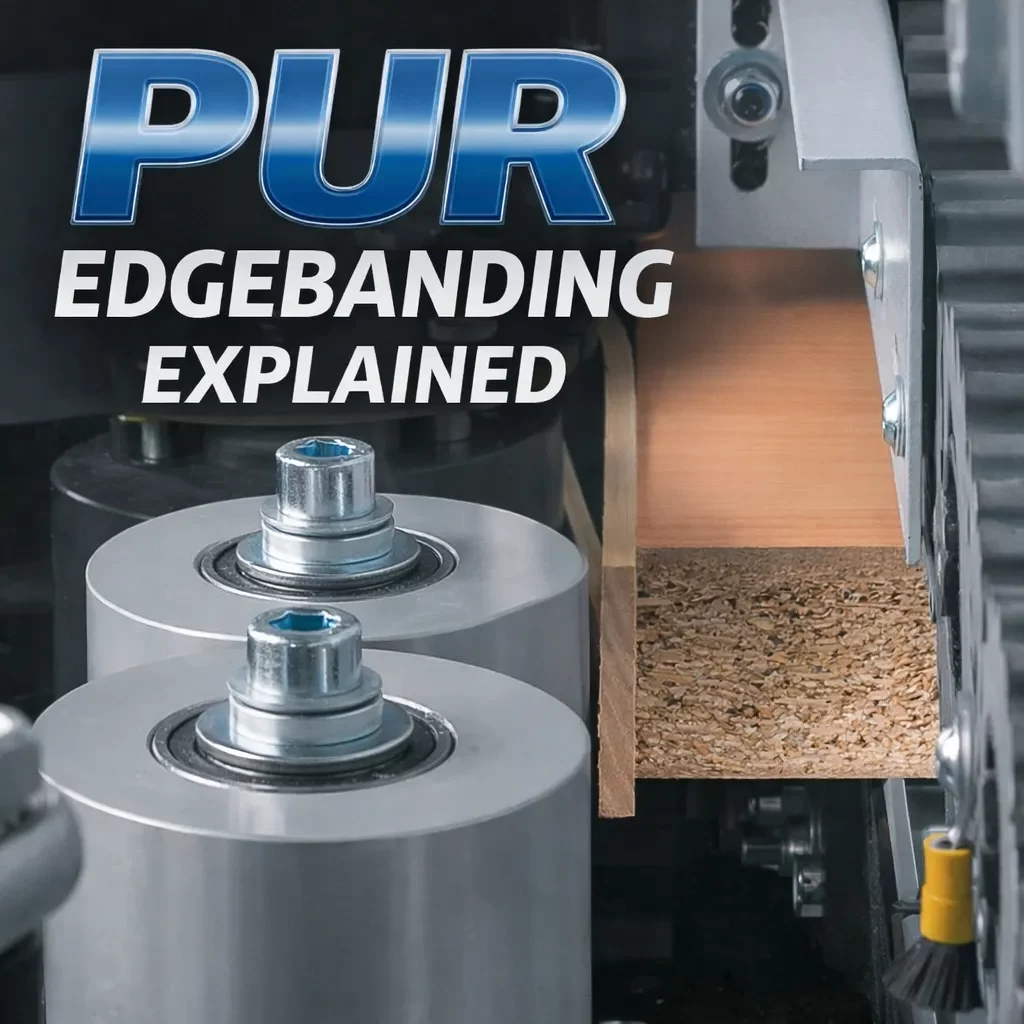
    PUR Edge Banding Explained: Why It Matters in Modern Carpentry

    When it comes to custom carpentry, most homeowners focus on materials like plywood or particle board—but one critical detail is often overlooked:

    👉 Edge banding

    More specifically, PUR edge banding, which plays a major role in durability, moisture resistance, and overall build quality.

    In this guide, we’ll explain what PUR edge banding is, how it works, and why it makes a difference in your carpentry.


    🧩 1. What Is Edge Banding?

    https://images.openai.com/static-rsc-4/C9D5-B4ntlcRuuNfcDo62Ak9_RlSly1eRx8266lAn7Lhf1iQeF0qgd3gcB77J70bpwHJdTA5lP6pXzUWezJvEWyqU1OWfOH-n-_TC3SfpBwurP0Ihc4gJfiZ4XJzgwFNYoaSsI2kXmQ5Vp50RMEjvtNkpIiH2Ouq-jPQbCjGVJ2zSxL8WUGxzNBvRCW4BAIT?purpose=fullsize

    Edge banding is the process of sealing the exposed edges of boards (like particle board or plywood) with a thin strip of material.

    Why it’s important:

    • Covers raw edges
    • Improves appearance
    • Protects against moisture
    • Enhances durability

    👉 Without proper edge banding, boards are vulnerable to swelling, chipping, and damage.


    🔬 2. What Is PUR Edge Banding?

    https://images.openai.com/static-rsc-4/KpsWTn8WQnNpj9ndSrcUSJkEuEBF116Yz_9bW3cd47I1FSUxqHZ2rOWzwr52xpVHiye2GGxo8NiHH12-CH-jr666kFKNJ0OWnFImLQY288UMFV4DWIgwSYlVdqVHN8rExWoT0mnNstNhxfxvaW80SUZR7-nvCr6hr-_Ef8L2pUqxdExqr2OeuNhgUIzQKUKk?purpose=fullsize

    PUR stands for Polyurethane Reactive adhesive.

    Unlike traditional glue, PUR reacts with moisture in the air to form a strong, durable, and water-resistant bond.

    Key Characteristics:

    • Stronger adhesion
    • Higher heat resistance
    • Better moisture resistance
    • Longer-lasting performance

    👉 It is considered a premium upgrade over standard edge banding methods.


    ⚖️ 3. PUR vs Traditional Edge Banding (EVA)

    FeaturePUREVA (Standard Glue)
    Bond Strength⭐⭐⭐⭐⭐⭐
    Water Resistance⭐⭐⭐⭐
    Heat Resistance⭐⭐⭐⭐⭐⭐
    DurabilityLong-lastingModerate

    The key difference:

    👉 EVA glue sits on the surface
    👉 PUR glue chemically bonds into the material


    💧 4. Why PUR Edge Banding Matters (Especially in Kitchens)

    https://images.openai.com/static-rsc-4/Kl5dNDYEloAD1VupqlPBDzgIx_sjb_REXVpGeq6XHK2RvcSNLCP-CaYiw2pGnscBsUAKfp5BtZ5dZX-QvnR67GRa_0Ti2-_1LjfBwYj4bZwZRmAWMrLIbVLdZe8J8DeByZpnYbWFjPg9Rl2japx59QWpLf2xg5OnPeB3k6GuezezWnvdOjCgAGr_cV5MO39y?purpose=fullsize

    In areas like kitchens, moisture is unavoidable.

    With standard edge banding:

    • Water can seep into edges
    • Boards may swell over time

    With PUR edge banding:

    • Edges are tightly sealed
    • Moisture penetration is significantly reduced

    👉 This is especially important for:

    • Sink cabinets
    • Lower kitchen units
    • High humidity environments (like Singapore)

    🛠️ 5. How PUR Works with Engineered Boards

    Modern carpentry often uses engineered boards like particle board.

    👉 When combined with:

    • High-pressure laminate
    • PUR edge banding
    • Proper installation

    These boards become:

    ✔️ Highly durable
    ✔️ Moisture-resistant
    ✔️ Suitable for most home applications


    🔍 6. What Most Homeowners Don’t Realise

    Two cabinets can look identical on the outside…

    …but perform very differently over time.

    👉 The difference often comes down to:

    • Edge banding quality
    • Glue type used
    • Fabrication process

    🚫 7. Common Misconception

    ❌ “All edge banding is the same”

    👉 Not true.

    The adhesive used (PUR vs EVA) makes a significant difference in longevity and performance.


    🏁 Final Verdict

    🥇 Choose PUR Edge Banding if you want:

    • Better moisture protection
    • Stronger, longer-lasting cabinets
    • Higher overall build quality

    🥈 Standard edge banding:

    • Lower cost
    • Suitable for basic applications

    💡 Final Thoughts

    While materials like plywood or particle board often get the most attention…

    👉 It’s the details like edge banding that truly determine long-term durability.

    With PUR edge banding, you’re not just improving aesthetics—you’re investing in better protection and longer-lasting carpentry.


    🔗 Related Articles

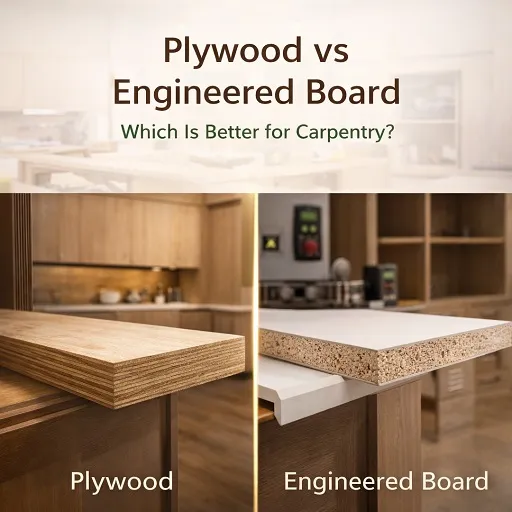
  • Plywood vs Engineered Board: Which Is Better for Carpentry?

    Plywood vs Engineered Board: Which Is Better for Carpentry?

    When planning custom carpentry, one of the most common questions homeowners ask is:
    Should I choose plywood or engineered boards like particle board?

    Traditionally, plywood has been seen as the “better” option. However, with modern manufacturing and fabrication techniques, this is no longer always true.

    👉 In fact, for most homes today, engineered boards such as particle board can perform just as well—when properly fabricated and installed.


    What Is Plywood?

    https://images.openai.com/static-rsc-4/BygoESIdkaalREYUfMVazx5GhwWWhxFbPJM1yKWLZQStr1hl2FSfWFeqSfBngjXwVhUFGTzT6Z9rJxEE2VJUbF9pQIjy8xABIYoqA1NfONa1EV9IKTY3X26I_msLz4ipcurSGn8sWhWJtIhjDfqHAisX-Cuho_V2BmdCpzZUznYv2dKxscbq_vTuo3Cq-iCD?purpose=fullsize

    Plywood is made by layering thin sheets of wood veneer in alternating grain directions.

    Key Characteristics:

    • Strong structural integrity
    • Naturally more moisture-resistant
    • Holds screws well
    • Traditional carpentry material

    👉 It is commonly used where extra durability or moisture resistance is required.


    What Are Engineered Boards?

    https://images.openai.com/static-rsc-4/FfwinG3Bc8bbYu1SREJcD7vDn4EGw0B1QdQ9REAizmYp1weICVi5lWA8pMk62LwQeLyVwhrHhbeFE4ghqv5YxD8WbllJllSG2jjuKfz_d3pL3Q8Vgj-ZLZ-MqimqcVmnpAclMtqkYuixYeY_MUOrvJJjlF-lYXGWqGJ0LnUQcPQjTK6T7yLYZhvNRbbKBG4M?purpose=fullsize

    Engineered boards include:

    • Particle board
    • MDF
    • Other compressed wood-based panels

    They are manufactured by bonding wood particles or fibres under pressure.

    Key Characteristics:

    • Smooth and uniform surface
    • Consistent quality (no warping or natural defects)

    • Works very well with laminates
    • Cost-efficient

    👉 These are widely used in modern built-in carpentry systems today.


    ⚖️ The Truth: Is Particle Board as Good as Plywood?

    👉 Yes — in most residential applications, it performs just as well.

    When properly fabricated:

    • Laminates protect the surface
    • Internal environments are dry and controlled
    • Cabinets are not under heavy structural stress

    👉 In real-world usage, most homeowners will not notice a difference in performance.


    💧 Can Particle Board Be Used for Kitchens?

    This is one of the biggest concerns for homeowners.

    👉 Yes — it can be used for kitchens when properly constructed.

    Modern carpentry combines:

    • High-pressure laminate surfaces
    • PUR edge banding (a key upgrade over standard glue)
    • Proper sealing during installation

    🔒 Why PUR Edge Banding Matters

    PUR (Polyurethane Reactive) edge banding:

    • Creates a strong, tight seal at panel edges
    • Significantly improves moisture resistance
    • Reduces the risk of water penetration

    👉 This is a major factor in ensuring long-term durability.


    ⚠️ Important Consideration

    While highly moisture-resistant:

    👉 Engineered boards are not fully waterproof

    So for areas with direct and frequent water exposure (e.g. under the sink):

    • Additional protection is applied
    • Or suitable materials are recommended

    👉 In most kitchen areas, however:
    Particle board with proper fabrication performs reliably and effectively


    🛠️ Where Each Material Works Best

    🟢 Engineered Board (Recommended for Most Uses)

    • Wardrobes
    • TV consoles
    • Kitchen cabinets (general areas)
    • Feature walls

    Milanla’s under sink cabinet interior is lined with aluminum to insulate the board from any moisture for maximum durability.


    🟡 Plywood (Used Selectively)

    • Bathrooms
    • High moisture zones

    💰 Cost vs Practical Value

    Engineered Board

    • More cost-efficient
    • Consistent quality
    • Ideal for most residential applications

    Plywood

    • Higher cost
    • Better for niche use cases

    🧠 What Really Determines Quality

    Material alone does not determine durability.

    👉 The most important factors are:

    • Fabrication method
    • Edge sealing (e.g. PUR edge banding)
    • Installation quality
    • Design planning

    🔍 Common Misconception

    ❌ “Plywood is always better”

    👉 This is outdated.

    Modern engineered boards:

    • Are more stable
    • Provide better finishing
    • Are widely used in today’s carpentry

    🏁 Final Verdict

    🥇 Choose Engineered Board if you want:

    • Cost efficiency
    • Clean, modern finishes
    • Reliable performance for most home use

    🥈 Choose Plywood if:

    • There is direct water exposure
    • Extra structural strength is required

    💡 Final Thoughts

    The right material isn’t about which is “stronger”—it’s about what is appropriate for your usage and environment.

    👉 With modern techniques like PUR edge banding, engineered boards have become:

    A highly reliable and practical choice for most homes in Singapore


    🔗 Related Articles