
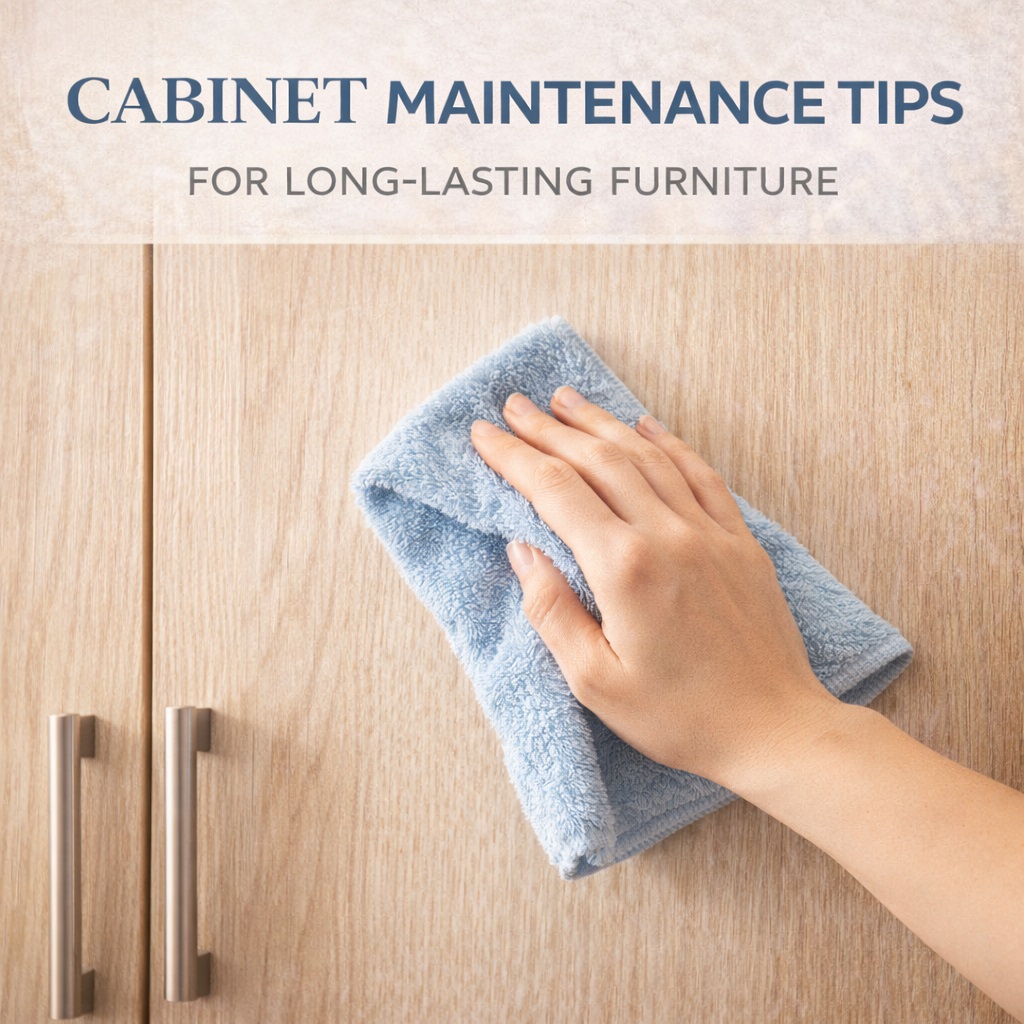
Custom cabinets are one of the most heavily used features in any Singapore home. Kitchen cabinets, wardrobes, and storage systems are opened and closed countless times every day. With proper care, high-quality carpentry can last many years while maintaining its appearance and functionality.
This guide explains simple maintenance practices that help extend the lifespan of cabinets and keep furniture looking its best.
Why Cabinet Maintenance Is Important
Cabinets are exposed to daily wear through:
- Frequent opening and closing
- Moisture and humidity
- Kitchen grease and spills
- Heavy storage loads
Without proper maintenance, homeowners may encounter issues such as loose hinges, misaligned doors, or surface damage over time.
Regular maintenance helps preserve both the durability and appearance of cabinets.
1. Keep Cabinets Dry
Moisture is one of the biggest threats to carpentry, especially in Singapore’s humid environment.
To protect cabinets:
- Wipe water spills immediately
- Avoid leaving wet cloths inside cabinets
- Keep sink areas dry
- Use kitchen ventilation during cooking
Cabinets with PUR edge banding offer improved moisture resistance compared to traditional edging methods.
You can learn more in our Kitchen Cabinet Materials Singapore Guide.
2. Clean Cabinet Surfaces Properly
Dust, grease, and fingerprints can accumulate on cabinet surfaces.
To clean cabinets safely:
- Use a soft microfiber cloth
- Apply mild soap solution if necessary
- Avoid abrasive cleaners
- Dry surfaces after wiping
Proper cleaning helps maintain laminate finishes and prevents surface wear.
3. Check Hinges and Hardware Regularly
Cabinet hinges and drawer runners may loosen over time due to frequent use.
Homeowners should occasionally:
- Tighten hinge screws
- Adjust cabinet door alignment
- Check drawer runners for smooth movement
High-quality hardware systems generally require minimal adjustment.
You can read more in our Hinges & Hardware Guide for Singapore Homes.
4. Avoid Overloading Cabinets
Excessive weight can strain cabinet structures and hardware.
Common examples include:
- Overloading drawers with heavy utensils
- Placing too many items on a single shelf
- Storing heavy appliances inside cabinets not designed for them
Distributing weight evenly helps maintain cabinet stability.
5. Protect Cabinet Edges
Cabinet edges are particularly vulnerable to impact and moisture.
To protect them:
- Close cabinet doors gently
- Avoid hitting edges with hard objects
- Keep water away from cabinet seams
Quality edge banding helps protect these areas from wear.
6. Maintain Good Air Circulation
Proper ventilation helps reduce humidity inside cabinets.
You can improve airflow by:
- Opening wardrobes occasionally
- Using dehumidifiers if necessary
- Keeping kitchen ventilation active during cooking
Good airflow helps prevent moisture buildup and unpleasant odours.
7. Fix Small Problems Early
Minor issues should be addressed early before they become larger problems.
Examples include:
- Slightly loose hinges
- Drawer runners making noise
- Small laminate peeling
Early adjustments are usually simple and inexpensive compared to major repairs later.
How Milanla Cabinets Are Designed for Longevity
At Milanla, cabinet systems are designed with durability in mind. Our carpentry combines:
- Engineered particleboard with stable structure
- PUR edge banding for improved moisture resistance
- Soft-close hinges and durable hardware
- Precision fabrication and installation
These features help ensure cabinets remain functional and aligned for many years.
You can also learn more in our Carpentry Cost Singapore Guide.
Conclusion
Proper cabinet maintenance plays an important role in extending the lifespan of your furniture. With simple cleaning habits, moisture control, and occasional hardware adjustments, homeowners can keep cabinets functioning smoothly for many years.
Investing in quality materials and proper care ensures your carpentry remains both durable and visually appealing.